Passive Radon Detectors Comparison
Detailed analysis of 5 lab-based tests for official certification and regulatory compliance
What are Passive Radon Detectors
Passive radon detectors are measurement kits sent to professional laboratories for analysis. Two main types exist: long-term alpha-track (90-365 days) that capture alpha particles on special plastic film, and short-term activated charcoal (2-7 days) that absorb radon for rapid analysis. Long-term tests are more accurate and better represent annual average exposure. In the United States, EPA and ANSI/AARST protocols require minimum 90-day measurements with NRPP-certified labs for real estate transactions and official compliance. They are the most economical option and the only one accepted for regulatory compliance.
Regulatory Context (United States)
EPA Action Level
148 Bq/m³ (4 pCi/L)US Environmental Protection Agency
Recommended mitigation threshold for homes. EPA advises fixing if radon exceeds this level based on year-long or 90-day minimum average.
ANSI/AARST-2019
Protocol standardsAmerican Association of Radon Scientists & Technologists
Professional measurement standards for real estate. Specifies device placement, closed-building conditions, minimum test duration, and lab certification requirements.
NRPP Certification
Lab accreditationNational Radon Proficiency Program
Required lab accreditation for real estate transactions in most states. Ensures labs meet quality standards and participate in proficiency testing.
Regulatory Compliance
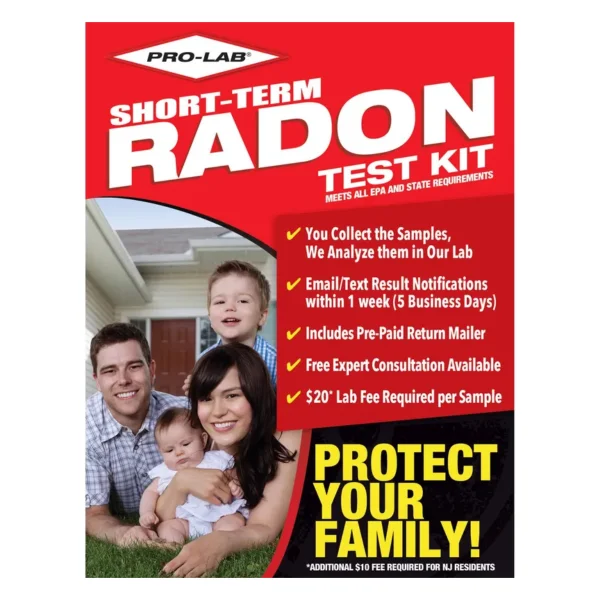
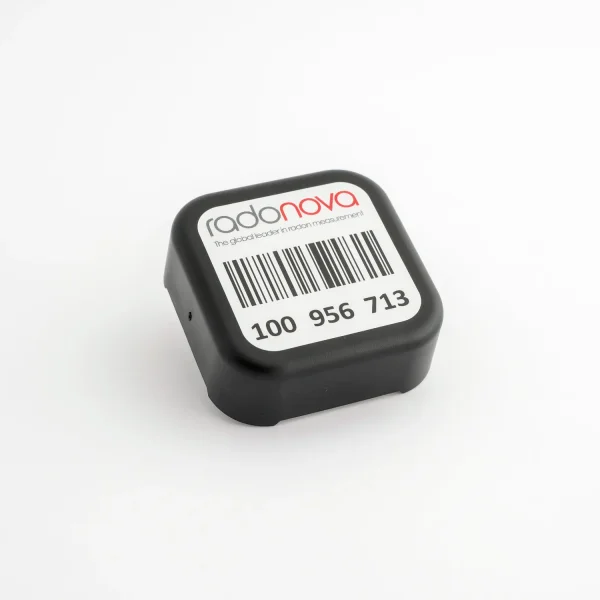
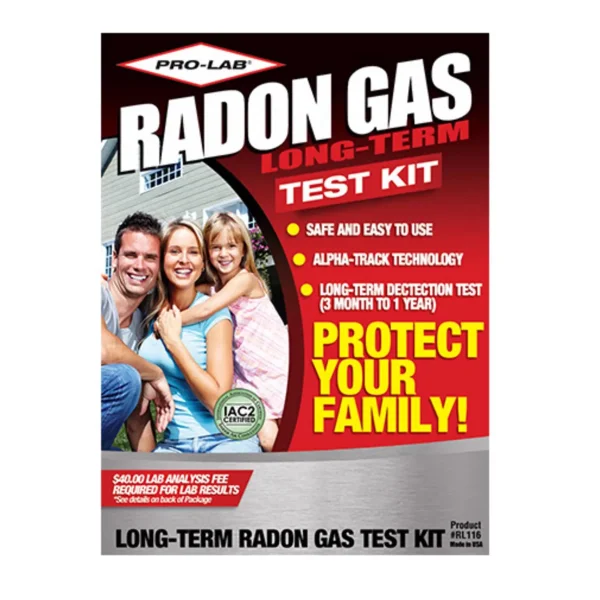
Meets EPA and ANSI/AARST requirements. Valid for real estate transactions, home inspections, and legal compliance. Labs like Pro-Lab (NRPP) and Radonova (ISO 17025) accepted nationwide.
NOT valid for real estate transactions in most states. Useful only for initial quick screening. Does not represent annual average required by EPA protocols.
NOT accepted for real estate compliance. Only for personal monitoring and screening. Do not substitute NRPP-certified lab tests for home sales.
When to Choose Passive Detectors
Real Estate Transactions
Required for home sales in most US states. Must use NRPP-certified passive detectors of 90+ days following ANSI/AARST protocols for legally valid results.
Limited Budget
A passive test with analysis included costs a fraction of a continuous monitor. Most economical option to know radon levels with certified accuracy.
First Home Measurement
Ideal for initial test before deciding investment in continuous monitor or mitigation system. Provides accurate 3-12 month average without permanent equipment.
Post-Mitigation Verification
After installing mitigation system, 90-day passive test confirms effectiveness and provides official compliance certificate for future home sales.
Side-by-Side Comparison
| Feature | ||||
|---|---|---|---|---|
| Detection Method | alpha track | alpha track | charcoal | charcoal |
| Type | passive | passive | passive | passive |
| Measurement Range | 0.2-100 pCi/L | 0.38-622 pCi/L | 0.4-200 pCi/L | 0-2700 pCi/L |
| Accuracy | ±20% at 4 pCi/L (90-day exposure) - better than charcoal (±25%) | ±6% uncertainty at 450 pCi*days/L (3 months at 5.4 pCi/L) | ±10-15% compared to professional electronic monitors (per studies) | ±20-30% for short-term tests |
| Response / Exposure Time | N/A - passive device requires 3-12 month exposure | N/A - passive accumulation over exposure period | N/A - passive accumulation over 48-96 hours | Initial results available after 48-96 hour exposure |
| Power Source | None | None | None | None 0 months battery life |
| Connectivity | None | None | None | |
| Display | None | None | None | None |
| App Support | N/A | N/A | N/A | |
| Certifications | EPA NRPP | ISO 17025 NRPP C-NRPP | EPA NRPP NSF/ANSI Standard 269 | NRPP EPA |
| Overall Rating | 4.8/5 Accuracy:5/5 Ease of Use:5/5 Value:5/5 | 4.8/5 Accuracy:5/5 Ease of Use:5/5 Value:4/5 | 4.3/5 Accuracy:3/5 Ease of Use:5/5 Value:5/5 | 4.2/5 Accuracy:3/5 Ease of Use:5/5 Value:5/5 |
| Best For |
|
|
|
|
Key Decision Factors
When choosing a passive radon detector, consider these critical aspects that affect legal validity, accuracy, and process convenience.
Exposure Duration
Short-term (2-7 days) for quick screening but NOT valid for real estate. Long-term (90-365 days) required for official compliance. Minimum 90 days represents reliable annual average.
Lab Accreditation
NRPP certification required for real estate transactions in most US states. ISO 17025 also accepted. Verify certificate mentions NRPP or ISO 17025 accreditation explicitly.
US Availability
Pro-Lab and Radonova available with US shipping and domestic labs. RadonTec NOT available (EU only). Verify included shipping and estimated delivery time before purchasing.
Processing Time
US labs typically 1-3 weeks after receipt. Plan ahead if you need certificate for closing deadline or inspection. Some labs offer rush processing for extra fee.
Total Price
The price covers detector and analysis. Some kits include return shipping, others charge it separately. Check the current price on Amazon and compare the total with all shipping included.
Return Shipping Instructions
CRITICAL: DO NOT use plastic bags for return shipping (affects 10-20% result). Use paper envelope or cardboard. Verify kit includes clear instructions and prepaid return label.
Recommendations by Use Case
Best for Real Estate Transactions
Pro-Lab Radon Test Kit with NRPP-certified US lab. Widely accepted by real estate agents and home inspectors nationwide. Fast 7-10 day processing with prepaid return mailer included.
Best International Certification
Radonova Radtrak³ with SWEDAC ISO 17025 accreditation recognized globally. Swedish reference lab with 2-3 week processing. Certificate valid for EPA compliance and international standards.
Best Quick Screening
Pro-Lab Charcoal Kit for rapid 2-7 day test. Ideal for initial screening before long-term test or post-mitigation quick check. NOT valid for real estate but useful for personal decisions.
Best Value for Money
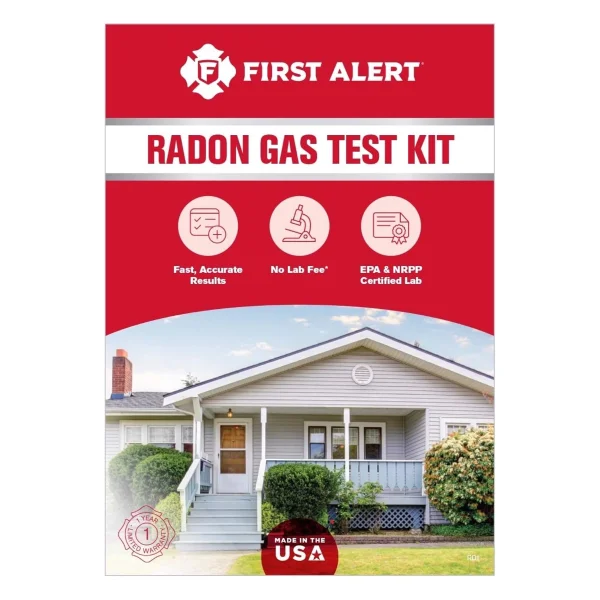
Radon Home Test Kit offers competitive pricing with alpha-track long-term accuracy. US-based Alpha Energy Labs processing. Good balance of cost and NRPP compliance.
Frequently Asked Questions
How long should I leave the detector exposed?
For real estate compliance and EPA protocols, minimum 90 days (3 months) required. Ideally 6-12 months to capture complete seasonal variations. Short tests 2-7 days only serve for initial screening, NOT for official certification or home sales.
How do I ship the detector without affecting results?
NEVER use plastic bags for return shipping to lab. Plastic can affect 10-20% of result. Use thick paper envelope or cardboard box. Follow specific manufacturer instructions included in kit. Most kits include prepaid return mailer with proper packaging.
What detectors are accepted for home sales?
Alpha-track detectors of 90+ days analyzed by NRPP-certified lab. In US: Pro-Lab Radon Test Kit and Radonova Radtrak³ comply. Certificate must specify NRPP or ISO 17025 accreditation and duration ≥90 days. Check state-specific requirements.
How many detectors do I need for a valid test?
EPA and ANSI/AARST recommend minimum 2 detectors: one in lowest lived-in level (basement/ground floor) and one in primary bedroom (highest occupancy). Real estate transactions may require more depending on home size and state regulations.
Can I reuse the detector?
No. Passive alpha-track detectors are single-use. After exposure they must be sent to lab for destructive analysis of the film. For continuous monitoring, consider purchasing reusable electronic monitor instead.
What if my result exceeds 4 pCi/L (148 Bq/m³)?
If you exceed EPA action level (4 pCi/L), recommended steps: 1) Repeat test to confirm. 2) Hire certified professional for evaluation. 3) Install mitigation system. 4) Verify effectiveness with new post-mitigation test. Not cause for alarm but requires action to reduce exposure.